


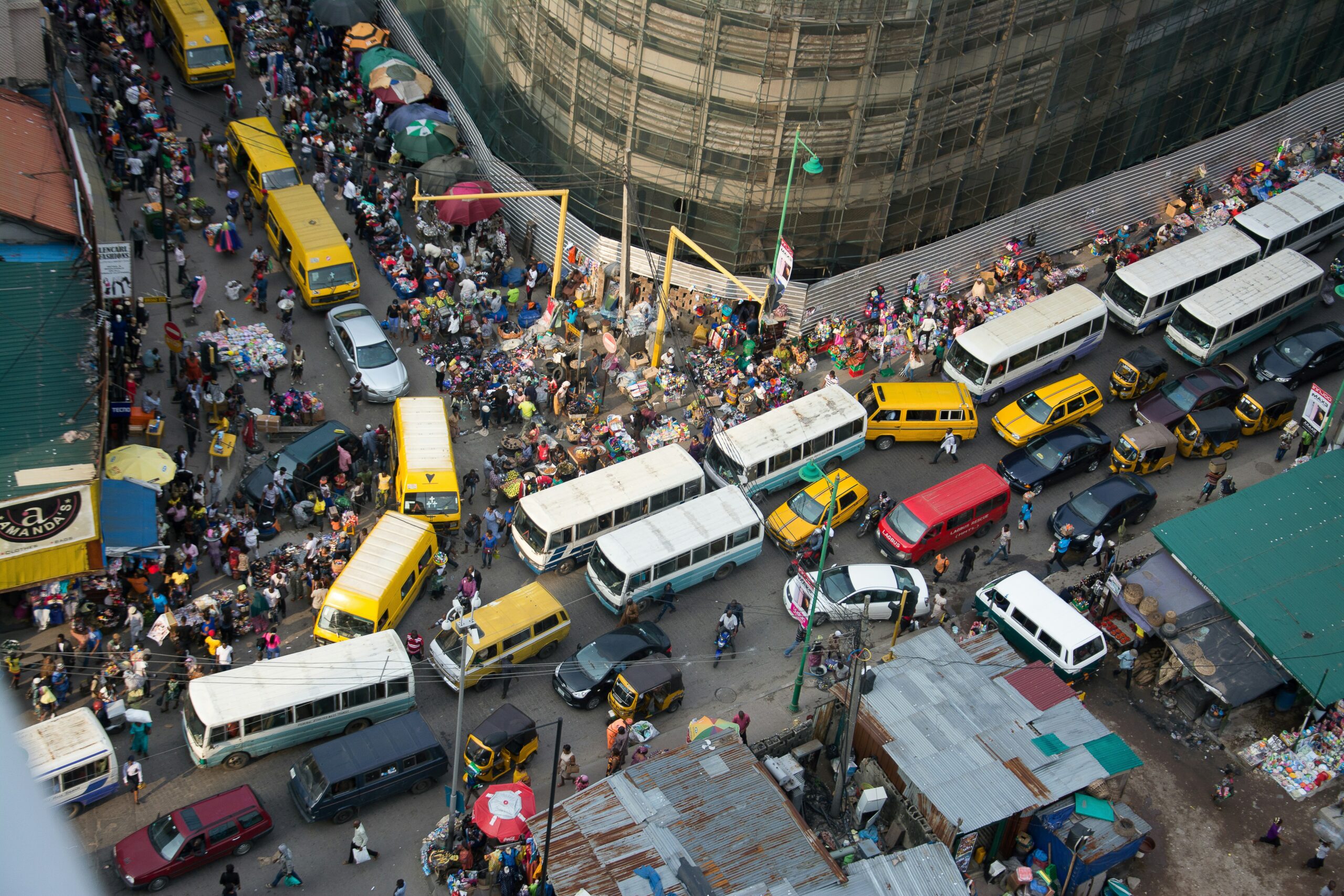
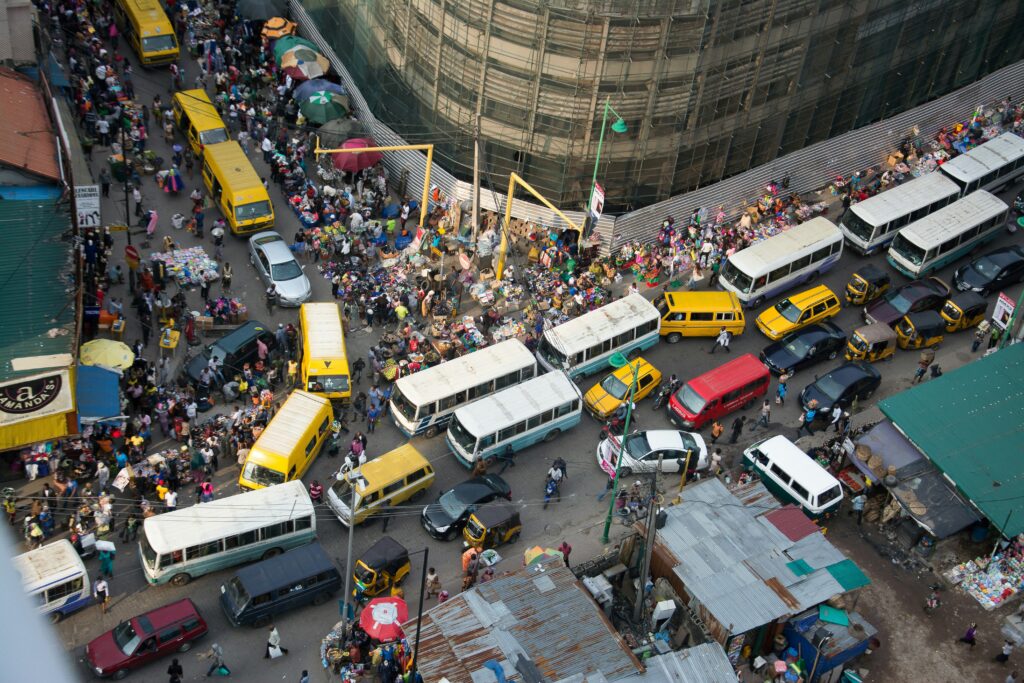
Lagos, Nigeria, stands as one of the most powerful examples of rapid urbanization and economic transformation in Africa. Once a modest coastal settlement, Lagos has evolved into one of the largest and fastest-growing megacities in the world. Today, it serves as Nigeria’s commercial capital, a technology hub, a center of innovation, and a symbol of Africa’s expanding urban future.
As African cities continue to grow rapidly, Lagos represents both the opportunities and challenges associated with the rise of megacities across the continent.
In this article, we explore:
- What defines a megacity
- How Lagos became a megacity
- Economic and technological growth
- Urbanization challenges
- Infrastructure development
- The future of African megacities
What is a Megacity?
A megacity is generally defined as a metropolitan area with a population exceeding 10 million people. Megacities are characterized by:
- High population density
- Rapid urban growth
- Large-scale infrastructure
- Economic concentration
- Complex transportation systems
- Diverse social and cultural dynamics
Examples of megacities around the world include:
- Tokyo
- New York
- Mumbai
- São Paulo
- Lagos
Lagos has become one of Africa’s most important megacities due to its economic significance, population expansion, and influence across West Africa.
The Historical Growth of Lagos
Lagos began as a small Yoruba fishing settlement located along the Atlantic coast. During the colonial period, the city became an important commercial port under British administration. Over time, trade, migration, and industrialization fueled its expansion.
Following Nigeria’s independence in 1960, Lagos experienced rapid population growth as people from different parts of the country moved to the city in search of:
- employment
- education
- business opportunities
- better living conditions
The oil boom of the 1970s accelerated economic activity and further transformed Lagos into a major urban center.
Population Explosion and Urbanization
One of the defining characteristics of Lagos is its massive population growth. Millions of people migrate to Lagos because it offers:
- economic opportunities
- entrepreneurial possibilities
- access to technology
- educational institutions
- entertainment industries
Urbanization in Lagos has expanded beyond the city center into surrounding areas such as:
- Lekki
- Ajah
- Ikeja
- Yaba
- Badagry
- Ikorodu
- Epe
The city continues to grow both vertically and horizontally as housing demand increases.
Lagos as Africa’s Economic Powerhouse
Lagos is often referred to as the economic heartbeat of Nigeria. The city contributes significantly to Nigeria’s GDP and hosts:
- multinational corporations
- banks
- fintech startups
- manufacturing industries
- technology companies
- media organizations
Major sectors driving Lagos’ economy include:
- finance
- commerce
- transportation
- entertainment
- telecommunications
- real estate
- software development
The rise of digital businesses and startups has also transformed Lagos into one of Africa’s leading technology ecosystems.
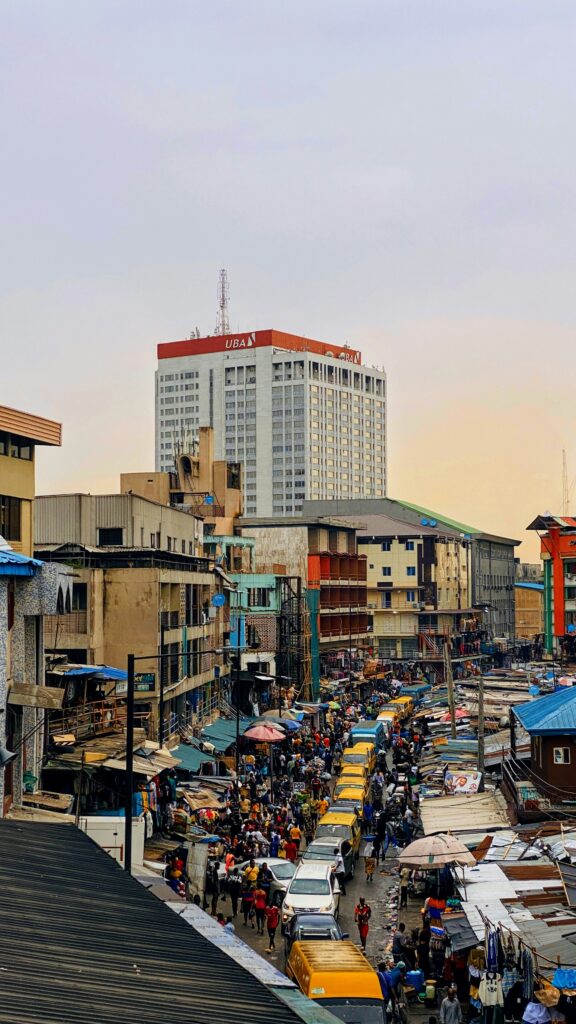
The Rise of Technology in Lagos
In recent years, Lagos has become one of Africa’s most active technology hubs. Areas like Yaba are often referred to as “Nigeria’s Silicon Valley” because of the concentration of startups, innovation centers, and software companies.
The city has witnessed significant growth in:
- web development
- fintech
- artificial intelligence
- cybersecurity
- data analysis
- digital marketing
- e-commerce
Tech companies in Lagos continue to attract both local and international investment.
As digital transformation accelerates, technology education and software training have become increasingly important for young Nigerians seeking career opportunities.
Organizations such as Bridgekode Technology are contributing to this growth by providing practical tech training in areas like web development, cybersecurity, UI/UX design, graphics design, and data analysis.
Infrastructure Development in Lagos
The growth of Lagos has required continuous infrastructure expansion. Major projects include:
- road construction
- bridge development
- rail transportation
- housing estates
- smart city projects
- internet connectivity improvements
Notable infrastructure developments include:
- Lekki Deep Sea Port
- Blue Line Rail Project
- Eko Atlantic City
- Lekki Free Trade Zone
These projects aim to improve transportation, commerce, and urban sustainability.
Challenges Facing Lagos Megacity Growth
Despite its economic success, Lagos also faces significant urban challenges.
1. Traffic Congestion
Lagos is known for heavy traffic congestion caused by:
- rapid population growth
- insufficient road infrastructure
- increasing vehicle ownership
Transportation remains one of the city’s biggest challenges.
2. Housing Deficit
The increasing population has created a shortage of affordable housing, leading to:
- overcrowding
- informal settlements
- rising property costs
3. Environmental Challenges
Urbanization has contributed to:
- flooding
- waste management issues
- pollution
- coastal erosion
Climate change also presents long-term environmental risks for the coastal areas of Lagos.
4. Pressure on Public Services
Rapid urban growth places pressure on:
- healthcare systems
- schools
- transportation
- electricity supply
- water resources
Managing these demands requires long-term urban planning.
Smart Cities and the Future of Lagos
The future of Lagos depends heavily on sustainable urban development and smart city innovation.
Smart city initiatives focus on:
- digital infrastructure
- intelligent transportation
- renewable energy
- urban planning
- e-governance
- technology-driven public services
As technology adoption increases, Lagos may become one of Africa’s leading smart cities.
Investment in:
- education
- innovation
- digital skills
- entrepreneurship
will play a major role in shaping the city’s future.
The Role of Youth and Digital Skills
Nigeria has one of the youngest populations in the world. Young people are increasingly driving innovation in:
- software engineering
- fintech
- content creation
- AI development
- cybersecurity
Learning digital skills has become one of the most important ways for young Africans to participate in the modern economy.
Tech training institutions in Lagos are helping students prepare for careers in:
- software development
- cloud computing
- UI/UX design
- data science
- digital business
Why Lagos Matters to Africa’s Future
Lagos represents more than just a city. It symbolizes:
- African innovation
- economic resilience
- entrepreneurial ambition
- urban transformation
As one of the continent’s largest urban economies, Lagos continues to influence:
- technology
- business
- culture
- entertainment
- education
The city’s success and challenges provide valuable lessons for other rapidly growing African cities.
Conclusion
The rise of Lagos from a coastal settlement into a globally recognized megacity reflects the broader story of urbanization in Africa. While the city faces major infrastructure and environmental challenges, it also offers enormous economic and technological opportunities.
As digital transformation continues across the continent, Lagos is expected to remain one of Africa’s most influential urban centers.
The future of African megacities will depend on:
- sustainable development
- innovation
- technology
- infrastructure investment
- education
For students and young professionals, developing digital and technology skills can open doors to participating in the future growth of cities like Lagos.
Frequently Asked Questions (FAQ)
Why is Lagos considered a megacity?
Lagos is considered a megacity because its population exceeds 10 million people and it serves as a major economic and commercial center in Africa.
What are the major challenges facing Lagos?
Major challenges include traffic congestion, housing shortages, flooding, environmental issues, and pressure on public infrastructure.
Why is Lagos important to Africa?
Lagos is important because it is a major hub for commerce, finance, technology, entertainment, and entrepreneurship in Africa.
How is technology shaping Lagos?
Technology is driving innovation in fintech, software development, digital business, cybersecurity, and smart city initiatives across Lagos.
Where can I learn technology skills in Lagos?
You can learn practical technology and digital skills through institutions like Bridgekode Technology, which offers training in web development, cybersecurity, UI/UX design, data analysis, graphics design, and more.